

From board games and activity books to family trivia nights and creative afternoons, a growing interest in screen-free fun is helping families rediscover the simple pleasures of spending time together.
Something interesting is happening in homes across America. After years of embracing smartphones, tablets, streaming services, and seemingly endless digital entertainment, some families are beginning to look for something different. They’re rediscovering board games, picking up books, putting together puzzles, organizing scavenger hunts, and finding new ways to entertain their kids that don’t involve another screen.
It’s part of a growing interest in what’s being called digital detox, analog living, and screen-free family activities. But why now? What’s behind this renewed interest in good old-fashioned fun, and what are families discovering when they put their devices aside?
The answer isn’t simply that parents want their children spending less time on screens. It’s that they want more of something else: laughter, imagination, connection, and memories made together. And as families explore alternatives to digital entertainment, many are rediscovering activities that previous generations enjoyed for decades.
This Isn’t Just Nostalgia. The Numbers Tell a Story.
If you’ve noticed more conversations about reducing screen time, you’re not imagining things. Pinterest’s 2026 Parenting Trend Report revealed some remarkable changes in what people are searching for. Searches for “screen free activities” increased 200% year over year, while searches for “no phone summer” jumped 340%. Interest in “family traditions ideas” also increased 200%.
Those figures reflect searches on Pinterest rather than the entire population, but they offer a revealing glimpse into what many people are looking for. Meanwhile, a 2025 Pew Research Center study found that 42% of American parents with children ages 12 and younger believe they could do a better job managing their children’s screen time. The same study found that 86% have rules about their children’s screen use.
These figures do not prove that families are abandoning the internet. They do, however, illustrate an interest in making more room for offline activities. Reducing screen time doesn’t have to mean introducing more restrictions; families can find enjoyable alternatives that make putting devices aside feel less like a sacrifice.
Why Are Families Beginning to Rethink Screen Time?
For many parents, the concern isn’t that technology is inherently bad. Computers help children learn, video calls keep distant relatives connected, and movies and video games can be enjoyable family activities. The concern arises when screens begin filling nearly every available moment, leaving less time for other experiences.
A quiet afternoon becomes another opportunity to watch videos. A car ride means reaching for a tablet, and even family dinners can become a competition for attention between the people sitting around the table and the devices beside them. Sometimes parents discover they’re struggling with the same habits they’re trying to change in their children.
That’s one reason a digital detox for families can be more constructive when it focuses on what to add, not just what to take away. Rather than focusing entirely on what children shouldn’t be doing, parents can ask what their families could be doing instead. It’s a shift from restriction toward opportunity, and it opens the door to a surprisingly wide range of activities.
The American Academy of Pediatrics encourages families to make a media plan that protects time for activities such as reading, play, hobbies, and connection. The goal doesn’t have to be eliminating technology from family life. It can be making sure technology doesn’t crowd out everything else.
The Surprising Comeback of Analog Living
There’s another name associated with this growing interest in offline entertainment: analog living. It sounds like a new lifestyle trend, but the concept is wonderfully old-fashioned. Analog activities include the kinds of things people enjoyed long before smartphones became everyday companions: books, puzzles, board games, coloring, crafts, journaling, building projects, and outdoor adventures.
Remember spending an afternoon with a coloring book and a fresh box of crayons? Or gathering around the kitchen table for a board game that inevitably ended with someone accusing someone else of cheating? Those experiences didn’t disappear, but they began competing with an extraordinary amount of digital entertainment that was available anytime, anywhere.
The appeal goes beyond nostalgia because hands-on entertainment invites participation, imagination, problem-solving, and interaction. A child working through a maze, solving a puzzle, or searching for hidden objects isn’t simply watching an experience unfold. That child is actively involved in making something happen.
Family trivia provides another example. A surprising question can spark a lively debate, lead to an unexpected discovery, or produce a hilariously wrong answer that everyone remembers. What begins as a simple game can become an evening filled with conversation and laughter, and nobody needs to worry about a Wi-Fi connection.
What Families Are Discovering When the Screens Go Off
Putting away a phone doesn’t magically transform an ordinary Tuesday into a perfect family experience. Children still get bored, siblings still argue, and parents still have responsibilities competing for their attention. But making room for screen-free activities can create opportunities for connection that might otherwise be overlooked.
One of the pleasures of a shared activity is how easily conversation can develop around it. A trivia question about an unusual animal can lead to an unexpected discussion, while a joke book might launch a competition to see who can make everyone laugh the hardest. Sometimes the activity itself is simply the starting point, and the conversation becomes the most enjoyable part.
Screen-free activities also give children opportunities to use their imaginations. A cardboard box can become a spaceship, a backyard can turn into an unexplored jungle, and a collection of paper dolls can inspire an elaborate imaginary world. Scavenger hunts, drawing, building, puzzles, and creative games encourage children to make choices and explore their own ideas rather than always following someone else’s storyline.
Then there’s the laughter. Maybe Dad confidently gives the wrong answer to a trivia question, Grandma tells a joke so terrible that everyone groans, or the youngest child invents a ridiculous new rule during family game night. These aren’t elaborate or expensive experiences, but they’re often the moments families enjoy remembering.
Perhaps most importantly, ordinary activities can gradually become family traditions. Friday night might become game night, Sunday afternoons might become puzzle time, and long car rides might turn into trivia challenges or storytelling competitions. What begins as a simple way to pass the time can eventually become something everyone looks forward to doing together.
A Little Family Trivia Can Go a Long Way
If your family enjoys surprising questions and friendly competition, try setting aside a few minutes for a trivia challenge after dinner. You might discover that your youngest child knows more about animals than anyone else, or that Grandpa has an impressive collection of completely useless facts.
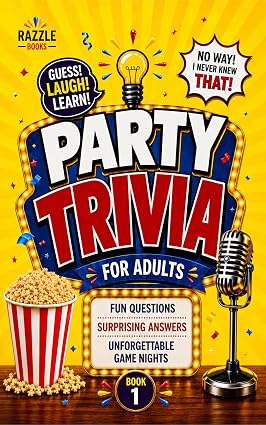
For a ready-made option, Razzle Books’ Party Trivia for Families offers a way to bring trivia into family entertainment. It’s the kind of activity that can turn an ordinary gathering into a little friendly competition, with plenty of opportunities for conversation and laughter.
Screen-Free Fun Doesn’t Have to Mean More Work for Parents
Here’s something that sometimes gets overlooked in conversations about reducing children’s screen time: Parents are busy. They’re juggling work, meals, homework, laundry, appointments, and countless other responsibilities. The last thing many need is another complicated activity requiring an hour of preparation and a trip to the craft store.
Fortunately, some of the best alternatives to screen time are remarkably simple. A few activity books on an accessible shelf, a puzzle left on a table, or a deck of cards in a kitchen drawer can provide entertainment without requiring elaborate planning. A joke book can brighten a road trip, while a handful of trivia questions can turn an ordinary dinner into an impromptu family competition.
Not every activity needs to involve the entire family, either. Sometimes children need something interesting they can enjoy independently while Mom or Dad finishes preparing dinner or takes care of another responsibility. Coloring books, mazes, hidden-object puzzles, and other hands-on activities can provide those opportunities while giving children a break from electronic entertainment.
That’s part of the appeal of screen-free family activities: They can fit naturally into everyday life. Rather than requiring families to rearrange their schedules, they offer small opportunities for enjoyment throughout an ordinary day.
Seven Easy Ways to Bring More Screen-Free Fun Into Your Home
If you’re wondering how to reduce screen time for kids without constant arguments, start small. Rather than announcing a major household digital detox, introduce a few activities that children might genuinely enjoy. The goal is to make offline entertainment appealing enough that it becomes a welcome option, not another household rule.
1. Start a family trivia challenge. Choose a few surprising questions and let everyone guess the answers. You can keep score, divide into teams, or simply enjoy discovering who knows the most unusual facts. Sometimes the funniest part is hearing how confidently someone delivers a completely incorrect answer.
2. Organize an indoor scavenger hunt. Make a list of unusual objects for children to find around the house, or create a series of clues leading from one room to another. For extra fun, let the children create a hunt for the adults and see how difficult they can make it.
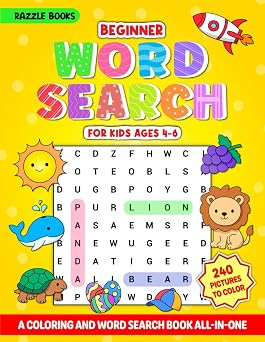
3. Rediscover coloring and activity books. Mazes, hidden-object puzzles, word games, drawing challenges, and coloring pages can make rainy afternoons more entertaining. Keep several different types available so children can choose activities that match their interests.
4. Bring back family game night. Board games, card games, charades, and guessing games offer plenty of opportunities for friendly competition. Let a different family member choose the activity each week, and don’t worry if the evening becomes more about laughing than winning.
5. Start a family joke tradition. Invite everyone to bring a favorite joke to the dinner table or take turns reading jokes aloud during a car ride. Children often enjoy being the ones who make adults laugh, even when the punchlines are wonderfully ridiculous.
6. Make road trips more interactive. License plate games, travel scavenger hunts, trivia challenges, and collaborative storytelling can help pass the time without automatically reaching for a tablet. A small collection of travel-friendly books and activities can make the next family trip more enjoyable.
7. Make a memory tonight. Set aside fifteen minutes to do something together without screens. Play a quick game, read a funny story, build something, or simply ask everyone to share the most amusing part of their day. It doesn’t need to be elaborate to be meaningful.
These activities aren’t intended to fill every free moment with another scheduled event. Sometimes children benefit from having unstructured time to invent their own games or discover something interesting to do. The idea is simply to make enjoyable screen-free options readily available.
Making the Most of Screen-Free Family Road Trips
Family travel is another opportunity to rediscover the fun of spending time together. Instead of everyone disappearing into separate devices, a road trip can become an occasion for guessing games, funny questions, and discovering things about one another.
For families looking for ready-made ideas, The Ultimate Road Trip Games Book from Razzle Books is a natural addition to the travel bag. Along with other simple travel activities, it offers an alternative to relying on screens for every mile of the journey.
Why Books Are Finding a New Place in Family Entertainment
Books have always been wonderful companions, but they offer something particularly useful for families interested in screen-free entertainment. They’re portable, available at many price points, and don’t require batteries, subscriptions, or internet access. Depending on the book, they can entertain one child independently or bring several generations together around a shared activity.
Activity books invite children to color, solve, search, discover, and imagine. Trivia books can transform a quiet evening into a lively family competition, while joke books create spontaneous moments of laughter between parents, children, and grandparents. Even a book filled with fascinating facts can spark conversations that continue long after the book is closed.
Of course, not every child enjoys the same kind of book. Some love stories, while others prefer puzzles, coloring, hidden pictures, or funny questions. Offering different types of books and activities gives children opportunities to discover what captures their attention and imagination.
And sometimes a child who isn’t particularly enthusiastic about traditional reading will happily spend an afternoon exploring an activity book. That’s an important reminder that books don’t always have to feel educational to offer something worthwhile. They can simply be fun.
Sometimes All You Need Is a Coloring Book
Coloring is one of those wonderfully simple activities that can appeal to different ages. For younger children, it offers an opportunity to experiment with colors and express their creativity. For older children and adults, it can be an enjoyable way to slow down and spend some quiet time away from screens.
Razzle Books’ Razzle Animals Making Memories at Home is one example from our collection of coloring books. Whether children color independently or family members sit down together with their favorite crayons and markers, a coloring book can make an ordinary afternoon a little more colorful.
It’s Not About Raising Screen-Free Kids. It’s About Raising Kids Who Know How to Have Fun Without Screens.
Children are growing up in a digital world, and technology will remain part of their education, work, and everyday lives. Trying to eliminate every screen isn’t realistic for most families, nor is it necessarily desirable. What matters is helping children discover that entertainment, creativity, curiosity, and enjoyment also exist beyond digital devices.
A child who enjoys reading, creating, playing games, exploring nature, or solving puzzles has more ways to spend free time. Likewise, a family that occasionally puts its devices aside creates opportunities to interact without competing digital distractions. There will still be movie nights, video games, and favorite television shows, but there can also be board games, books, scavenger hunts, and family traditions.
The goal is a healthy balance that leaves room for different kinds of entertainment and, most importantly, meaningful time together.
At Razzle Books, We Believe Some of the Best Memories Begin With a Book
At Razzle Books, we love the idea that a book can be more than something you read. It can be an invitation to play, discover, laugh, imagine, and spend time together. That’s why we’re passionate about creating entertaining books that encourage curiosity, creativity, and good old-fashioned fun.
Whether it’s a child solving a challenging puzzle, family members competing over trivia questions, or someone sharing a joke that makes everyone burst out laughing, those are the kinds of experiences we love helping create. We don’t believe technology is the enemy, and we certainly don’t think families need to abandon it to enjoy a more connected life.
We believe there’s something worth preserving in screen-free activities, shared experiences, and family traditions. The most meaningful part of an activity often isn’t the activity itself, but the people who enjoyed it together.
Maybe the Real Digital Detox Is Rediscovering What We’ve Been Missing
So why are more families becoming interested in turning off their screens? For some, it’s about finding a healthier balance or reducing everyday distractions. For others, it’s about encouraging creativity, helping children discover new interests, or simply spending more time together.
Whatever the reason, there’s something encouraging about families rediscovering the pleasures of ordinary activities. More conversations around the dinner table, more laughter during family game night, and more afternoons filled with discovery don’t require expensive equipment or elaborate plans. Often, the simplest experiences provide the best opportunities to connect.
The good news is that families can begin tonight. Put down the phone for a little while, pick up a book, ask a funny question, or invite someone to play a game. You might be surprised how much fun can happen when nobody’s looking at a screen.
Less screen time. More family fun. More memories.
Discover more screen-free fun with Razzle Books. Explore our collections of coloring books, activity books, trivia books, and game books, all created to inspire curiosity, laughter, and memorable moments together.